 Practical guide
Complete guide to LED lighting in a Canadian home
Practical steps, base compatibility, differences between bulb types, and tips for a gradual transition.
Information on replacing bulbs, energy consumption, and LED fixture options available for residences across Canada.

Articles
Detailed information on different aspects of moving to LED lighting in Canadian households.
Practical guide
Practical steps, base compatibility, differences between bulb types, and tips for a gradual transition.
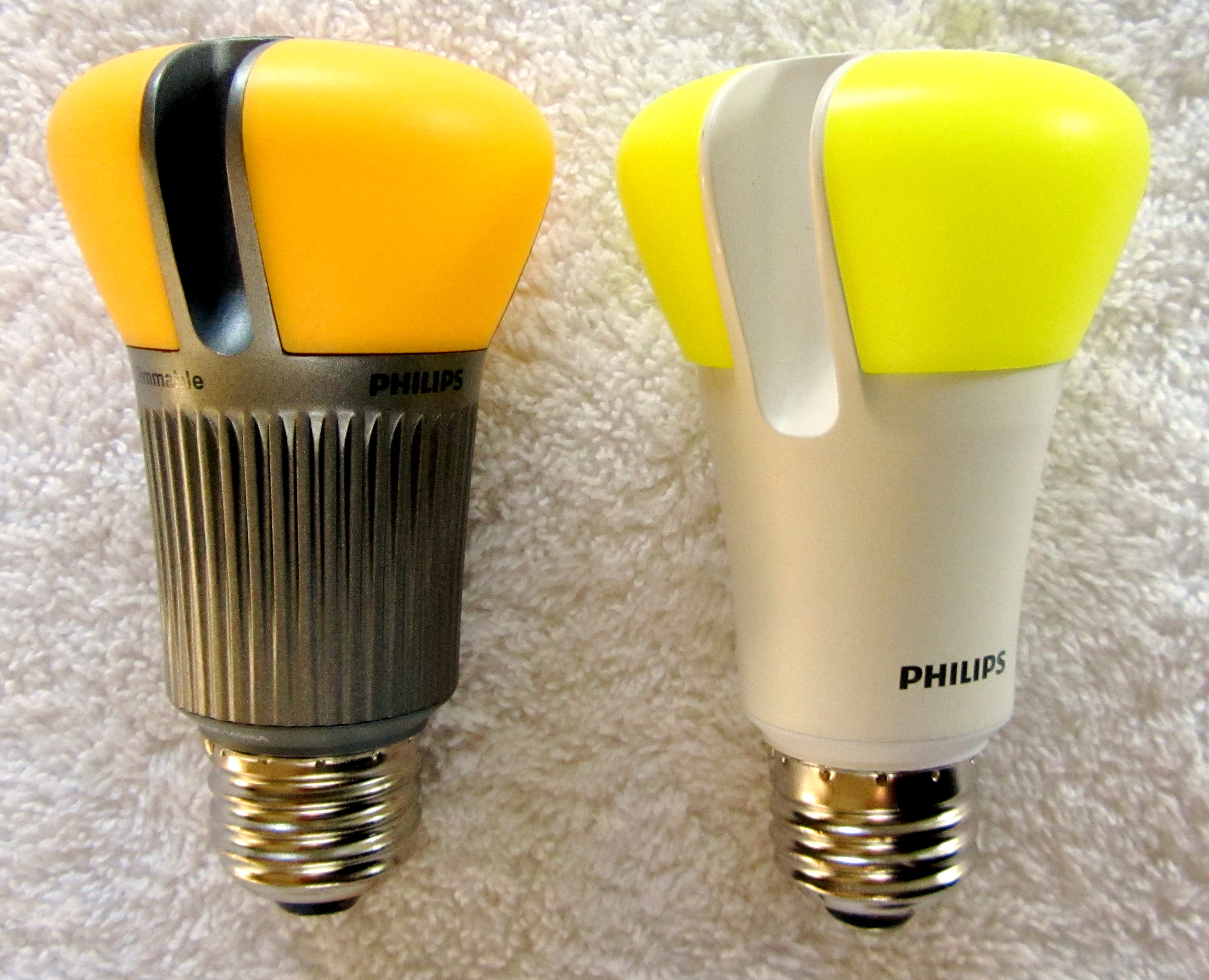 Selection
Colour temperature, colour rendering index, expected lifespan, and certifications to look for in Canada.
 Consumption
Comparison of lighting technologies, impact on electricity bills, and provincial rebate offers.
Context
Lighting accounts for a significant share of electricity use in Canadian households. Since standard incandescent bulbs were phased out of production, homes have had several options: compact fluorescent lamps (CFLs), halogen, and light-emitting diodes (LEDs).
LED technology has become the dominant choice because of its longevity and low consumption compared with earlier options. Moving from one lighting type to another still raises practical questions about compatibility, light quality, and upfront cost.
Canadian climate conditions, including harsh winters, affect how some bulb types perform. LEDs generally tolerate cold well, unlike CFLs, which can struggle to start at low temperatures — a factor for unheated spaces such as garages and sheds.
Natural Resources Canada publishes up-to-date information on energy efficiency standards for lighting products. ENERGY STAR Canada certifies products that meet defined efficiency criteria.
Comparison
Overview of the main options available on the Canadian residential market.

Older technology, gradually withdrawn from the Canadian market. High consumption for a given amount of light. Short lifespan.

More efficient than incandescent. Contains mercury, requiring special disposal at end of life. Less effective in cold weather.
Long lifespan, low consumption, no mercury, cold-tolerant. Available in various colour temperatures and base types.